How to Build an AI Trading Bot for Crypto Day Trading
· based on the channel Johny B. (Crypto Savage)
Key takeaways
- AI trading bots automate crypto day trading using algorithmic strategies.
- GPT-6 Astra can assist in building and analyzing trading bots.
- Key steps: strategy design, coding, testing, deployment, and live operation.
- Risk management and real 24-hour testing are crucial for success.
- Comprehensive source code and guide available at https://tr.ee/NTTp6K
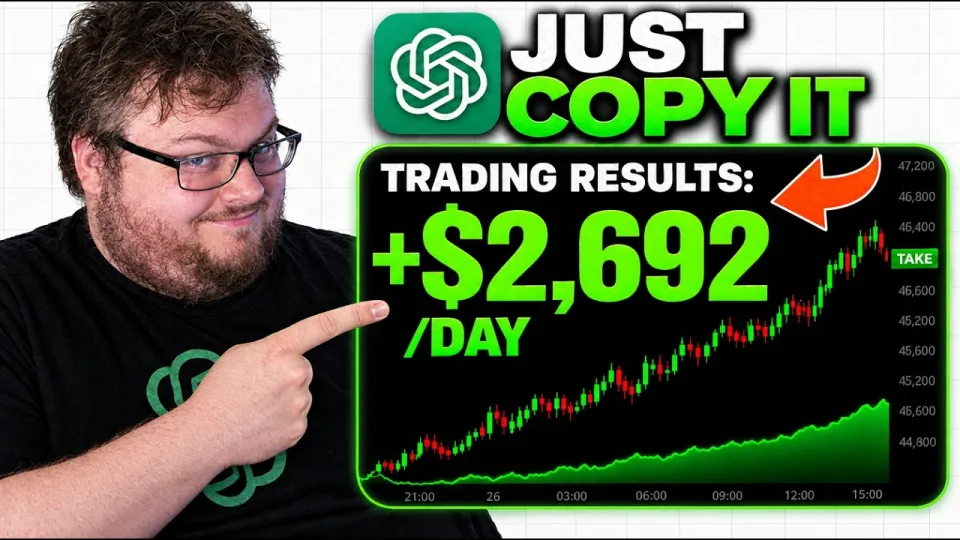
Video: AI Trading Bot For Crypto Day Trading | ChatGPT Live Test
An AI trading bot for crypto day trading automates the buying and selling of cryptocurrencies based on predefined algorithmic strategies. Building such a bot involves multiple stages including strategy design, coding, testing, deployment, and monitoring live trading results. Tools like GPT-6 Astra can significantly streamline development by analyzing code, optimizing logic, and explaining complex processes.
This article explores the process of creating an AI trading bot from scratch, focusing on how to turn a trading idea into a fully operational system capable of running autonomously with risk management in place. For a detailed guide and source code, visit AI Trading Bot Guide & Source Code.
Understanding AI Trading Bots for Crypto Day Trading
AI trading bots use machine learning models and algorithmic rules to execute trades on cryptocurrency exchanges without manual intervention. These bots analyze market data in real-time, identify trading opportunities based on technical indicators or patterns, and place orders accordingly. The goal is to capture short-term price movements typical of day trading.
Unlike manual trading, an AI bot can operate 24/7, consistently applying the same strategy without emotional bias or fatigue. However, the bot’s performance depends heavily on the quality of the underlying strategy and risk parameters.
Developing Your Crypto Trading Strategy
The foundation of any trading bot is a clear, testable strategy. Steps to develop one include:
- Define Trading Goals: Decide on profit targets, acceptable risk, and trading frequency.
- Select Indicators and Signals: Use technical analysis tools like moving averages, RSI, MACD, or volume patterns.
- Set Entry and Exit Rules: Specify when the bot should open or close positions based on indicator thresholds.
- Incorporate Risk Management: Include stop-loss limits, position sizing, and maximum daily loss limits.
Testing the strategy using historical data (backtesting) helps validate its effectiveness before live deployment.
Coding and Automating the Trading Bot
Once the strategy is established, coding the bot involves:
- Choosing a programming language (Python is common due to extensive libraries).
- Connecting to crypto exchange APIs for market data access and trade execution.
- Implementing trading logic and risk management rules.
- Adding logging and error handling to monitor bot behavior.
GPT-6 Astra can assist by generating code snippets, reviewing logic, and suggesting improvements based on the full development history. This AI-powered approach accelerates development and reduces human errors.
Testing and Deploying the Trading Bot
Before going live, perform:
- Backtesting: Run the bot against historical market data to evaluate profitability and drawdowns.
- Paper Trading: Use simulated trading with live market data to test real-time performance without risking capital.
- Live Trading with Small Capital: Start with minimal funds to observe bot behavior in the actual market environment.
Monitoring the first 24 hours of live operation is critical to identify bugs, latency issues, or strategy flaws. Adjustments are often necessary based on real-world feedback.
Managing Risks and Expectations
Automated crypto trading carries inherent risks including market volatility, technical failures, and strategy limitations. It is important to:
- Avoid overleveraging.
- Limit capital exposure.
- Continuously monitor bot performance.
- Recognize that past performance does not guarantee future results.
Automated trading is not a guaranteed path to passive income but can be part of a disciplined trading approach.
Common Questions About AI Trading Bots
Many beginner traders wonder about the feasibility and reliability of AI bots. Key concerns include the bot’s adaptability to changing markets, the need for ongoing maintenance, and the complexity of coding. Using AI tools like GPT-6 Astra lowers technical barriers but does not eliminate the need for thorough understanding and risk management.
Useful Links
- Complete AI Trading Bot Guide and Source Code: https://tr.ee/NTTp6K
Conclusion
Building an AI trading bot for crypto day trading involves a clear strategy, careful coding, comprehensive testing, and vigilant live monitoring. Leveraging AI tools such as GPT-6 Astra can streamline development and provide deeper insights into your project. However, success requires realistic expectations and disciplined risk management. For a transparent and practical walkthrough, the channel Johny B. (Crypto Savage) offers valuable resources and source code at https://tr.ee/NTTp6K.
Source: AI Trading Bot For Crypto Day Trading | ChatGPT Live Test · Markdown version
Questions & answers
What is an AI trading bot and how does it work for crypto day trading?
An AI trading bot is software that automates buying and selling cryptocurrencies based on predefined algorithms. It analyzes market data, applies a trading strategy, and executes trades to capitalize on short-term price movements typical in day trading.
Can GPT-6 Astra help in developing a crypto trading bot?
Yes, GPT-6 Astra can assist by analyzing development history, generating code, optimizing strategies, and explaining complex coding aspects, making the bot-building process more efficient and accessible.
Is automated crypto trading a guaranteed way to earn passive income?
No, automated trading involves significant risks due to market volatility and technical factors. It is not a guaranteed source of income and requires active risk management and ongoing monitoring.
What are important steps before deploying a crypto trading bot live?
Important steps include backtesting strategies with historical data, paper trading with simulated funds, and starting live trading with small capital to observe the bot’s real-world performance and make necessary adjustments.